
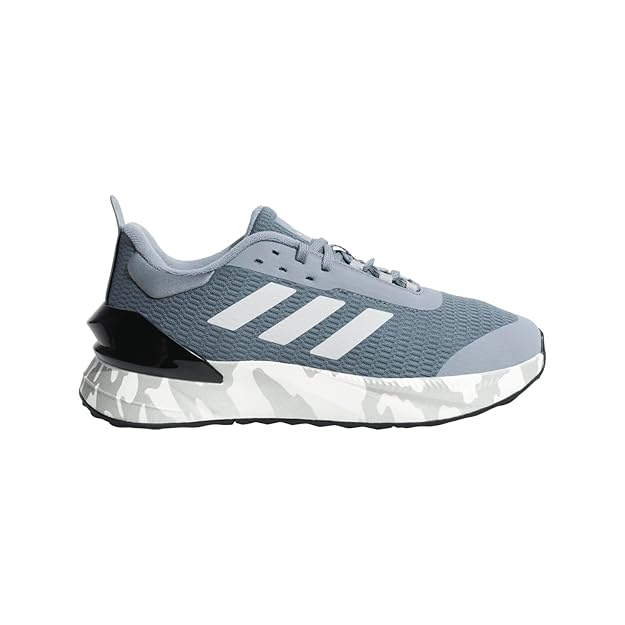
Product details
1. Why Lightweight Running Shoes Matter
Every extra ounce of weight on your shoes adds up over the course of a run. Lightweight running shoes are designed to eliminate excess bulk, allowing runners to conserve energy and improve speed. This is particularly important for competitive athletes who want to shave seconds off their time, but it’s equally beneficial for casual runners who want a more effortless stride.
A lighter shoe reduces fatigue, making it easier to cover longer distances without putting unnecessary stress on your legs. This efficiency translates into better performance, faster recovery, and a more enjoyable running experience.
2. Superior Comfort with Responsive Cushioning
Despite being light in weight, these shoes do not compromise on comfort. Many models feature advanced midsole technologies such as EVA foam, Boost, or proprietary lightweight cushioning systems that provide responsiveness and shock absorption.
The result is a shoe that feels soft underfoot but still delivers the bounce needed to propel you forward. Runners often describe the sensation as running “on clouds” because of the smooth, cushioned ride. This makes lightweight running shoes equally suitable for short sprints and long-distance training.
3. Breathable Upper Materials for Cooling
One of the defining characteristics of lightweight running shoes is their use of engineered mesh or knit uppers. These materials not only reduce overall weight but also enhance breathability. Air flows freely through the shoe, preventing overheating and keeping your feet dry during intense runs.
Moisture-wicking liners further enhance comfort by drawing sweat away from the foot, reducing the risk of blisters and odors. For runners in warm climates or those who train indoors, this breathability is a game changer.
4. Flexibility for Natural Movement
Lightweight running shoes are designed to work with the natural motion of the foot. Flexible soles allow for smooth heel-to-toe transitions, while adaptive uppers provide a snug but non-restrictive fit. This encourages a more natural running form, reducing strain on muscles and joints.
Some models even incorporate minimalist designs that promote barefoot-like movement, strengthening foot muscles and improving agility. This flexibility makes lightweight running shoes ideal for runners seeking a balance of performance and natural feel.
5. Traction and Grip You Can Trust
Even though lightweight running shoes focus on reducing weight, they don’t compromise on grip. Outsoles are carefully designed with rubber compounds and traction patterns that provide stability across multiple surfaces.
-
For road runners, the outsole offers smooth, flexible traction for pavements and tracks.
-
For trail runners, lightweight models include lugged soles that ensure grip on uneven, muddy, or rocky terrain.
This ensures that no matter where you run, you can rely on consistent stability and protection.
6. Speed and Performance Benefits
For competitive runners, every second matters. Lightweight running shoes are engineered to provide that extra edge in speed. Reduced weight means less effort per stride, and responsive cushioning helps return energy with every step.
Shoes in this category are often used for:
-
Racing: Perfect for marathons, half-marathons, and sprints.
-
Tempo Runs: Designed to help runners maintain faster paces.
-
Speed Training: Ideal for interval workouts and track sessions.
Reviews
There are no reviews yet.